The Best Fluffy Pancakes recipe you will fall in love with. Full of tips and tricks to help you make the best pancakes.

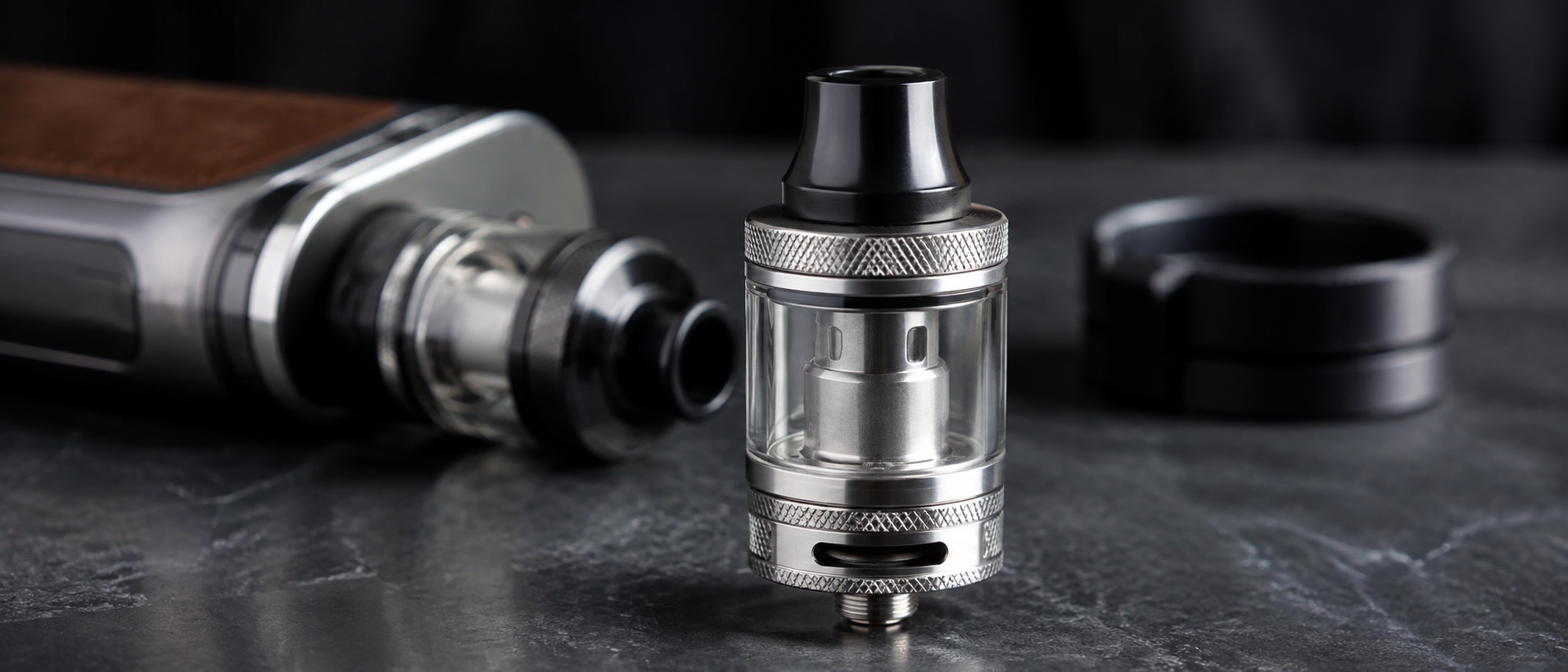
An atomizer is the part of a vape that actually turns e-liquid into vapor. It’s the coil, the wicking material around it, and the small chamber that holds them, working together to heat liquid until it vaporizes. Every vape has one, even if you’ve never heard the word before, because it’s built into your disposable or pod without you ever seeing it. The term gets more specific once you move into tanks and rebuildable setups, which is where most of the confusion around “atomizer” actually comes from. Here’s the real breakdown.
What an Atomizer Actually Does
Picture the atomizer as the engine room of the device. E-liquid gets pulled into a wicking material, usually cotton, which sits against a coil of resistance wire. When you draw on the device (or press a button), the battery sends current through the coil, the coil heats up, and the saturated wick vaporizes into what you inhale. Everything else on a vape, the battery, the shell, the buttons or screen, exists to support that one process.
The Three Main Types of Atomizers
1. Pre-Filled and Pre-Built (Disposables and Closed Pods)
This is what’s inside every disposable vape and closed-system pod, like the ones from brands we’ve covered such as Crave or Aloha Sun. The coil comes pre-installed and pre-saturated, sealed inside the pod at the factory. You never see it, never touch it, and never replace just the coil, since the whole pod or device gets swapped once it’s done. This is the version of “atomizer” most vapers interact with, even if nobody calls it that.
2. Replaceable Coil Heads (Open Pod Systems and Sub-Ohm Tanks)
This is the atomizer type used in refillable pod vapes and standard sub-ohm tanks, the kind covered in our pod vape guide. The coil comes pre-built by the manufacturer, but it’s a standalone, replaceable part. When flavor drops off or the coil starts tasting burnt, you pull the old coil head out and click in a new one. No building, no wire, no cotton, just swap and go. This is the middle ground most everyday vapers land on.
3. Rebuildable Atomizers (RBA, RDA, RTA, RDTA)
This is where the term “atomizer” gets used most precisely, and it’s the advanced end of the category. A rebuildable atomizer (RBA) has a build deck, a small platform where the user physically wraps their own coil and adds their own wick rather than buying a pre-made one. Every rebuildable falls under this umbrella, split into a few specific types:
- RDA (Rebuildable Dripping Atomizer) – no tank at all. E-liquid gets dripped directly onto the coil and wick before each session, or fed automatically through a squeeze bottle in “squonk” mods built for that setup.
- RTA (Rebuildable Tank Atomizer) – a build deck sitting underneath a proper tank, typically holding 2mL to 4mL of e-liquid that feeds the wick by gravity. No dripping required once it’s built and filled.
- RDTA (Rebuildable Dripping Tank Atomizer) – a hybrid: a dripper-style deck with a tank underneath it instead of a chimney, so the wick can pull from the tank instead of needing constant drips.
Rebuildables exist for vapers who want full control over flavor and vapor by tuning their own coil resistance, wire type, and wicking, not for beginners, and not something to jump into without learning proper technique first.
Signs Your Atomizer Needs Attention
Whether you’re on a disposable, a replaceable coil head, or a rebuildable, the warning signs are the same:
- Burnt or harsh taste – the wick has dried out faster than the coil is being re-saturated, usually meaning the coil is at the end of its life or the e-liquid isn’t wicking properly
- Gurgling sounds or visible leaking – flooded coil, oversaturated wick, or a seal that’s failed
- Noticeably weaker flavor or vapor – the coil is winding down even if it’s not fully burnt yet
- No vapor at all – dead coil, disconnected coil, or, on a rebuildable, a broken build
On a disposable or closed pod, none of this is fixable; that’s your signal to replace the whole unit. On a replaceable coil head or rebuildable, it usually just means it’s time for a fresh coil.
Which Type Is Actually Right for You
If you’re new to vaping or just want something that works without thinking about it, you’re already using the first type, and that’s fine, it’s the entire point of disposables and closed pods. If you vape daily and want to control cost and flavor a bit more, a replaceable coil head system, the kind used in most open pod vapes, is the natural next step; you’re still not building anything, just buying pre-made coils in packs. Rebuildable atomizers are worth exploring only once you’re genuinely curious about coil building itself, since the payoff is customization, not simplicity.
A Word on Safety
Rebuildable atomizers carry real risk if built incorrectly, mainly around battery safety. A coil built at too low a resistance can pull more current than a battery or device is rated for, which is where vape battery incidents actually come from. If you’re going to build your own coils:
- Use a regulated mod with built-in safety protections rather than an unregulated mechanical mod, unless you genuinely understand Ohm’s law and battery amp limits
- Always prime a new coil (a few drops of e-liquid directly on the wick and coil) before firing it dry, to avoid a burnt hit and unnecessary wear
- Learn from a dedicated coil-building guide before your first build rather than guessing, since resistance, wire gauge, and wattage all need to line up with your specific battery
None of this applies to disposables or pre-built coil heads, where the manufacturer has already handled all of it.
Buying Age
Vape atomizers, whether sold as part of a complete device or as a standalone replacement part, fall under the same rule as any other vaping product in the US: buyers must be 21 or older under the federal Tobacco 21 law, with ID required at purchase.
Our Take
Most vapers will never need to think past the first two categories, and that’s genuinely fine. A pre-filled disposable or a replaceable coil head does the job for the overwhelming majority of daily users without any real learning curve. Rebuildable atomizers are a legitimate, rewarding hobby within vaping, but they’re a deliberate choice for people who want to tinker, not a requirement for a good vaping experience. If you’re shopping for “an atomizer” because a device listing used the word and you weren’t sure what it meant, there’s a good chance the answer is simpler than it sounds: it’s just the part that makes the vapor, and on most modern devices, you’ll never have to touch it directly.
Frequently Asked Questions
What is an atomizer on a vape, in simple terms?
The part of the device that turns e-liquid into vapor, made up of a coil, a wick, and the small chamber holding them. Every vape has one, though on disposables and closed pods, it’s sealed and never touched directly.
Is an atomizer the same thing as a coil?
Not exactly. The coil is one component inside the atomizer. “Atomizer” refers to the whole assembly, coil, wick, and chamber together, though the two terms get used loosely and interchangeably in casual conversation.
What’s the difference between an RDA and an RTA?
An RDA has no tank; e-liquid is dripped directly onto the coil before each session. An RTA has a tank underneath the build deck that feeds the wick automatically, so there’s no dripping required once it’s set up.
Do I need to replace the atomizer in my disposable vape?
No. On disposables and closed pod systems, the atomizer is sealed inside and isn’t meant to be replaced or repaired. Once it stops performing well, the whole device or pod gets replaced.
Are rebuildable atomizers dangerous?
Not inherently, but building a coil at the wrong resistance for your battery or mod can create a real safety risk. Using a regulated device and learning proper coil-building technique before your first build significantly reduces that risk.
How old do you have to be to buy vape atomizers or parts?
21 or older in the US, under the federal Tobacco 21 law, with ID verification required at the point of sale.
Sources: Vaping360 – RBA Vape Guide: RDA, RTA, RDTA, and More, FDA – Tobacco 21