The Best Fluffy Pancakes recipe you will fall in love with. Full of tips and tricks to help you make the best pancakes.

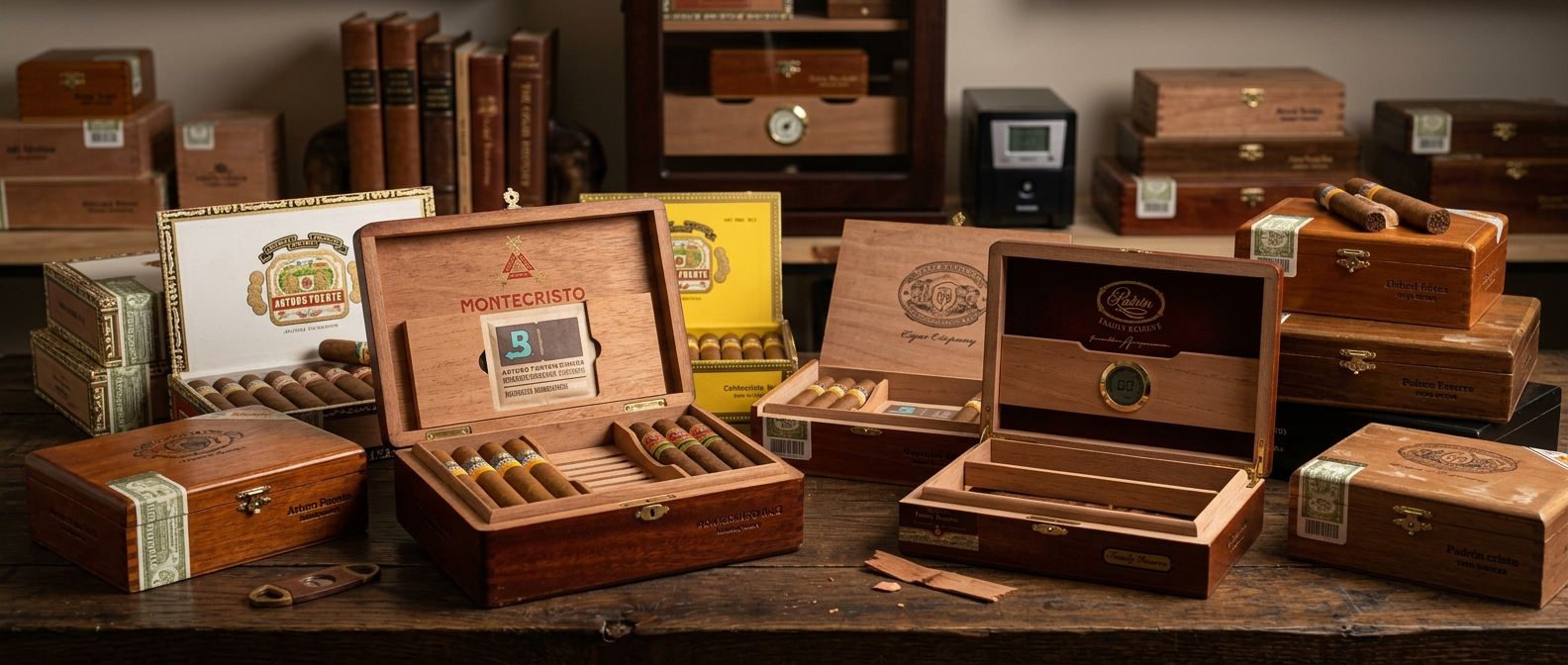
If you’ve ever bought a premium cigar, it came in a box. Maybe you tossed it. Maybe it’s sitting on your shelf collecting dust. Either way, most casual smokers don’t think twice about the container their cigars came in – and that’s a mistake.
A cigar box is more than packaging. It affects how your cigars age, how they’re stored, and in some cases, what they’re worth. Here’s what you need to know.
What Is a Cigar Box?
A cigar box is a container used to store, transport, and sell cigars. That’s the simple answer. The fuller answer is that it’s a carefully designed piece of craftsmanship that plays a direct role in protecting the tobacco inside.
Most premium cigar boxes are made from Spanish cedar – the same wood used inside humidors. That’s not a coincidence. Spanish cedar can absorb and gradually release moisture, maintaining a stable and ideal humidity level within the cigar box. Its essential oils also have repellent qualities against certain harmful insects, including the tobacco beetle. When you open a quality cigar box and get that warm, woody smell, that’s Spanish cedar doing its job.
A Brief History of the Cigar Box
The cigar box has been around longer than most people realize. Originally, cigars were sold in bundles covered with pig’s bladders with a touch of vanilla to improve the smell. They were then packed in barrels of 10,000. In 1830, H. Upmann – a banking firm – began shipping cigars in cedar boxes stamped with the bank’s emblem, using cedar to prevent the cigars from drying out.
Boxes were widely adopted by other manufacturers in the 1860s as a means for the government to accurately track and tax cigar production to fund the Civil War. Cedar cigar boxes also proved effective in keeping cigars fresh and repelling beetles.
From that point, the cigar box became as much a marketing tool as a storage vessel. The colorful lithographic labels, brand crests, and ornate artwork you see on boxes today trace back to that same era.
Types of Cigar Boxes
Not all cigar boxes are built the same. The type of box tells you a lot about the brand and what’s inside.
Cabinet Box (Cajon)
This is the large rectangular box you’ve seen on shelves at your local tobacconist. Cabinet Selection refers to wooden boxes with sliding tops, designed to hold 25 or 50 cigars, often wrapped with a ribbon. Serious smokers buy by the cabinet because it’s more economical and keeps a consistent batch together.
Dress Box
A Dress Box or Semi-Plain Box is the most common type of cigar box. These boxes are made of wood or cardboard, and the entire box is finished with overlays of decorative embossed paper, usually emblazoned with logos, seals and crests. High-end brands often reserve dress boxes for their more premium or limited-edition lines.
Boite Nature (BN)
A Boite Nature is a very specific type of cigar box – all wood, with machine-cut interlocked corners. It gives added protection to the cigars inside by means of a collar, four wooden inserts along the inside edges that help form an air seal when the box is closed. The name is French for “natural packing.” Common with Cuban cigars and considered one of the better formats for long-term storage because of how tightly it seals.
Cardboard Boxes
Usually found with budget cigars or machine-made options. They do the job for short-term storage, but they don’t hold humidity and they won’t help your cigars age. If your cigars came in cardboard, get them into a humidor soon.
8-9-8 Box
A round-sided box with three layers, counting 8, 9, and 8 cigars respectively. This format is more common with premium Cuban and boutique brands. The curved sides make for an attractive presentation and avoid box-pressing the cigars.
Why the Box Actually Matters
Here’s where most casual smokers miss the point. A cigar box isn’t just a container – it’s a microenvironment.
When a cigar is manufactured, it comes out of the factory with a 12-15% moisture content. In order to maintain its richness and taste, a cigar needs to have the same level of moisture when smoked. If the moisture content is outside that range, it will either burn too hot or burn unevenly, wrecking the cigar’s smoke, aroma, and flavor.
The Spanish cedar box is the first line of defense before cigars ever make it into your humidor. Storing cigars in their original boxes is recommended rather than on open display shelves – it protects the cigars from light, and confinement in boxes is argued to result in better aging.
Beyond humidity, the wood contributes to flavor over time. Cigars stored in Spanish cedar for extended periods often develop more complexity. This is part of why collectors buy full boxes and age them untouched for years.
How to Read a Cigar Box
Premium cigar boxes carry a lot of information if you know what you’re looking at.
The brand name and logo are obvious. But look closer. You’ll find the country of origin, the size designation (Robusto, Toro, Churchill, etc.), and the blend name or series. Cuban boxes carry a Habanos S.A. hologram. Legitimate non-Cuban boxes from Nicaragua, Honduras, and the Dominican Republic carry federal tax stamps.
Some boxes also include a production date or batch code. For long-term agers, this matters – it tells you exactly when those cigars were made and gives you a reference point for how they’ll develop.
Can You Reuse a Cigar Box?
Yes, and you should. A quality Spanish cedar box can serve as a travel humidor or a desktop box for cigars you plan to smoke within a week or two. Add a small humidification device and a digital hygrometer and you have a functional short-term storage solution for next to nothing.
Cedar helps to naturally regulate humidity and repel beetles. Even cardboard boxes can work for short-term storage, as long as they close tightly – the goal is to create a semi-sealed environment where humidity can stabilize.
One thing to watch for – if the interior of the box has a chemical smell or lacquer coating, don’t use it for cigar storage. Chemicals and tobacco don’t mix well.
What to Do With the Box After You Smoke the Cigars
Don’t throw it away. At minimum, keep it as a reference. The brand, blend, and size are printed right there – which makes reordering easy and gives you a record of what you’ve smoked. Some smokers keep a collection of empty boxes as a log of their history, which is either obsessive or admirable depending on who you ask.
Empty cigar boxes have also been used as a source of wood for hobbies and folk art, such as tramp art and cigar box guitars, especially during the Great Depression. These days, a solid Spanish cedar box makes a practical gift box, a small drawer organizer, or a display case for accessories like cutters and lighters.
Our Pick
The cigar box is one of those things that seems basic until you start paying attention to it. Once you understand what it does – how the wood breathes, how it protects your tobacco, how it influences the aging process – you’ll stop treating it as disposable packaging.
Buy by the box when you find a blend you like. Keep the empties. And if someone hands you a cabinet of Nicaraguan puros, don’t just grab a cigar – take a second to appreciate what you’re holding.
For more on how to handle and store your cigars properly, check out our beginner’s guide to how to smoke a cigar and our breakdown of the best cigars for beginners.
Frequently Asked Questions About Cigar Boxes
What is a cigar box made of?
Most premium cigar boxes are made from Spanish cedar, both for the frame and interior lining. Spanish cedar regulates humidity, repels tobacco beetles, and adds a subtle woody character that complements the tobacco during aging. Budget boxes may use cardboard or untreated wood, which don’t offer the same benefits. For a deeper look at how proper storage affects your smoke, Cigar Aficionado’s storage guide is worth a read.
Does a cigar box work as a humidor?
A Spanish cedar cigar box can function as a short-term humidor if you add a small humidification pack and a hygrometer. It won’t replace a proper humidor for long-term storage, but it works well for cigars you plan to smoke within one to two weeks. For longer storage, a dedicated humidor is the right call.
How many cigars fit in a cigar box?
Most standard boxes hold 25 cigars. Cabinet boxes often hold 50. Some boutique brands sell in 10s, 20s, or 24s. The count is usually printed on the front or side of the box.
Why do cigar boxes smell like cedar?
That cedar smell comes from the Spanish cedar used in construction. The wood naturally absorbs and releases moisture and contains oils that repel tobacco beetles – one of the most common threats to a stored cigar collection. It’s not just aesthetic. It’s functional.
Can I use an empty cigar box to store cigars?
Yes. An empty Spanish cedar box is one of the most practical short-term storage options available. Add a small humidification device, keep it out of direct sunlight, and it will hold your cigars in solid condition for short periods. Just confirm the interior has no chemical coating before using it for storage.
What is a Boite Nature cigar box?
A Boite Nature (BN) is an all-wood box with interlocked corners and an interior cedar collar that creates a near-airtight seal. It’s especially common with Cuban cigars and is considered one of the better formats for aging because of how tightly it closes. The name translates from French as “natural packing.”
Are cigar boxes collectible?
Some are. Vintage Cuban cigar boxes have a legitimate collector market. Limited edition releases, boxes with unique artwork or lithography, and boxes from historic manufacturers can carry real value. Even modern boxes from premium brands are worth keeping if the condition is good. Wikipedia’s entry on cigar boxes has a solid overview of their history as collectibles.
What’s the difference between a cabinet box and a dress box?
A cabinet box is typically plain cedar with minimal decoration, designed for volume storage of 25 or 50 cigars. A dress box is covered in decorative embossed paper with logos and artwork – it’s the more presentation-focused option. Most brands reserve dress boxes for their premium or limited lines.
Where can I learn more about cigars as a beginner?
Start with our best cigars for beginners guide and our how to smoke a cigar walkthrough. Both are written for people who are just getting started and want practical answers, not cigar-world gatekeeping.