The Best Fluffy Pancakes recipe you will fall in love with. Full of tips and tricks to help you make the best pancakes.

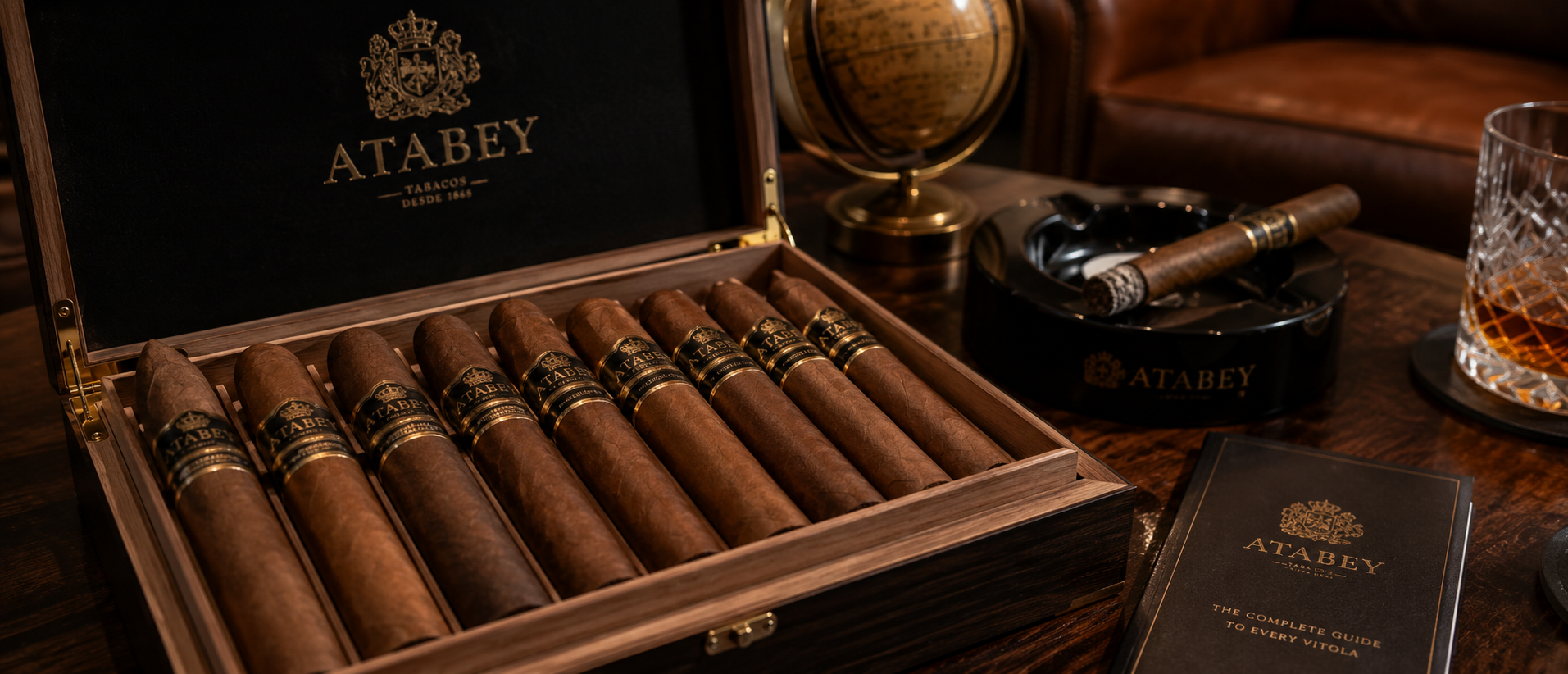
The name Atabey comes from Taino mythology. In Taino culture, Atabey was the first female in the world and the mother of Yucahu, the main male god of the Tainos. Beyond being the mother goddess, Atabey was the divinity of the Moon, the Sea of Fertility, and Birth – associated with rivers, lakes, and seas, and with the cultivation of cassava, tobacco, and agriculture in general.
Whoever named this cigar understood what they were doing. A cigar rooted in the soil that produced tobacco before Columbus arrived, made by someone whose previous work includes the Cohiba Behike, named for a pre-Columbian goddess of the land that grew the leaf. That’s a coherent story, and it’s a more interesting one than most luxury cigar brands manage.
Whether the cigar inside lives up to the mythology is the question worth answering.
Who Makes Atabey?
Atabey is crafted by Selected Tobacco, the boutique house led by Cuban designer Nelson Alfonso – the art director behind the Cohiba Behike packaging. That connection explains immediately why Atabey’s high lacquer box with beautiful hinges looks almost identical to the Behike presentation. It’s not coincidence. It’s the same design sensibility applied to a new project.
Alfonso rolled in a small Costa Rican factory with a proprietary blend. That Costa Rican production origin is unusual for ultra-premium cigars – most high-end production is associated with Nicaragua or the Dominican Republic. Alfonso chose Costa Rica specifically for the climate control his aging process requires, not for the tobacco itself, which comes from undisclosed origins that the brand guards carefully.
The brand name and blend composition are protected as proprietary information. The tobacco origins, the specific leaf varieties used, and the blending ratios are trade secrets that Selected Tobacco has not disclosed publicly. What is known is the aging process, which is the defining characteristic of everything Atabey produces.
The Five-Year Aging Process
This is what separates Atabey from virtually everything else in the ultra-premium category outside of the Cohiba Behike itself.
Every cigar rests five years in climate-controlled cedar-and-oak chambers after rolling. Humidity and airflow are reset roughly every two weeks to cleanse the leaf and polish harsh edges.
That biweekly reset is the unusual element. Most aging processes involve passive humidity control – cigars sit in cedar rooms at consistent humidity and temperature. The active resetting of humidity and airflow every two weeks throughout a five-year period is labor-intensive in a way that most producers won’t commit to at any price point.
The practical result of extended aging is a cigar where the harsh compounds in the tobacco have broken down significantly. Ammonia dissipates. The rough edges of young tobacco smooth out. The natural sugars develop complexity that young tobacco doesn’t have. A five-year-aged cigar tastes fundamentally different from the same blend smoked young – calmer, more integrated, with a cleaner finish that doesn’t linger unpleasantly.
For the Atabey Dioses 10-Year Extra Aged, the aging period doubles to a decade – representing one of the most extensive post-roll aging programs in the commercial cigar market.
Atabey vs Cohiba Behike: The Connection
The comparison is inevitable given Nelson Alfonso’s history. Can’t afford a Behike? Atabey is the alternative that reviewers consistently reach for when discussing this brand.
Reviewers often note Cohiba-esque cream and subtle tropical fruit in Atabey’s profile – minus Cuba’s occasional draw inconsistencies. The low-nicotine wrapper keeps strength refined, while long aging yields an exceptionally clean finish.
The Cohiba Behike is Cuban, uses Medio Tiempo leaves grown at the very top of select plants, and trades at auction for several thousand dollars per cigar. Atabey is Costa Rican produced, non-Cuban, legally available in the United States, and retails between $23 and $38 per stick.
For US-based smokers who want the Behike character without the Cuban embargo complications and without auction-house pricing, Atabey is the most direct comparison point currently available.
The Complete Vitola Lineup
Unlike most brands, Atabey changes only size – never the listed blend. Each format alters combustion speed, concentrating or stretching the line’s creamy honey-almond profile.
This is an important point for buying decisions. You’re not choosing between different blends when you pick a vitola. You’re choosing how you want the same blend to perform across the smoke. A narrower ring gauge concentrates flavors. A wider ring gauge produces a cooler, creamier draw. The Lancero stretches the experience across a longer burn time. The Hechizos delivers the same core profile in a 25-minute smoke.
Hechizos – The Petit Format
Size: Small format, approximately 4 x 40
Smoking Time: Around 25 minutes
Price: $23-28
The smallest format in the lineup and the entry point for smokers who want to try Atabey without a two-hour commitment. If you are short of time but crave that Atabey flavor profile, these are for you.
The narrow ring gauge concentrates the flavor more intensely than larger formats – the cream and honey-almond notes hit immediately rather than building through multiple thirds. For a 25-minute smoke, the Hechizos delivers the full Atabey character without extending into the development stages that the Ritos and larger formats produce.
Best for: First-time Atabey buyers who want to assess the brand before investing in larger vitolas, experienced smokers who want a quick smoke with genuine premium character.
Sabios – The Robusto
Size: 5.25 x 52
Smoking Time: Around 50-60 minutes
Price: $25-30
Creamy and caramel makes this a standout but its ultra thin wrapper makes for inconsistent burn. Disappointing given the price.
The Sabios is the most traditional format in the lineup and the one most comparable to what most smokers expect from a premium robusto. The creamy, caramel-forward profile is at its most accessible here – the medium ring gauge gives the blend enough room to develop through three distinct stages without the complexity of larger formats.
The thin wrapper observation from reviewers is worth noting. Atabey’s wrapper leaf is consistently described as delicate – beautiful to look at but requiring a careful smoking pace to avoid draw and burn issues. Rush this cigar and the wrapper shows its limitations. Smoke it slowly at the proper one-puff-per-minute pace and it performs as the premium product it’s priced to be.
Best for: Everyday premium smoking for experienced smokers, the best Atabey format for a side-by-side comparison with other ultra-premium robustos.
Ritos – The Flagship
Size: 6.125 x 55
Smoking Time: Around 70 minutes
Price: $28-35
The Ritos is the most popular format in the lineup and the one most retailers stock first. The medium-full ring gauge at a slightly longer length gives the blend its best opportunity to develop across all three flavor stages while keeping the draw at a comfortable resistance.
I found it creamy, smooth, flavorful, luxurious. A little pricey but a great experience. Atabey is hands down the best new world cigar – it’s not even close. You can smoke it down to the nub and your mouth will feel clean. Top tier.
The retrohale on the Ritos presents toasty bready notes along with white pepper. Despite skepticism, the cigar proves to be smooth and refined, with tons of complexity and just enough pepper bite to keep the proceedings interesting.
The 70-minute burn time is the sweet spot for an evening smoke – long enough to develop meaningfully but not demanding the two-hour commitment of the largest formats.
Best for: The recommended starting point for new Atabey smokers, evening sessions where 70 minutes feels appropriate, experienced smokers who want the full Atabey development.
Misticos – The Churchill
Size: 6.75 x 56
Smoking Time: Around 80-90 minutes
Price: $30-35
Good cigar with construction and burn, flavors were a bit bland. Nothing really there, just tobacco.
The Misticos represents one of the interesting polarities in the Atabey lineup. The larger format and longer burn time work well for smokers who find the Ritos too short to fully appreciate the final-third development. For others, the longer smoke dilutes rather than deepens the core flavor notes.
The construction and burn on the Misticos receive consistent praise even from reviewers who found the flavor profile less engaging than smaller formats. That construction quality across a 90-minute smoke is noteworthy – maintaining even burn on a large ring gauge format through a long smoke requires genuine quality control.
Best for: Smokers who prefer large format cigars, extended afternoon or evening sessions, experienced Atabey enthusiasts who want the longest version of the profile.
Benditos – The Magnum
Size: 7.25 x 58
Smoking Time: Around 90-100 minutes
Price: $32-38
I found it creamy, smooth, flavorful, luxurious. The Benditos is the large format expression of the Atabey profile and the one that produces the most dramatically different smoke compared to the smaller vitolas.
The 58 ring gauge and extended length produce a cooler, even creamier draw than any other format in the lineup. The honey and almond notes that define the blend develop more slowly and last longer than in the Ritos or Misticos. The final third of a Benditos is a different experience from the first third in a way that smaller formats simply don’t have room to develop.
This vitola also found this format had all the flavor of the rest of the line, but smoked cooler and was even more rounded.
Best for: Special occasions, experienced smokers who specifically prefer large ring gauge formats, anyone who wants the Atabey profile at its most expansive and rounded.
Spiritus – The Lancero
Size: Approximately 7.5 x 38
Smoking Time: Around 75-90 minutes
Price: $28-35
Every time this format comes into stock, it sells out quickly. Spiritus had 10 boxes in stock at one retailer and only two five-packs remained within days. People just go crazy over it.
The Lancero format concentrates the blend through the narrow ring gauge in a way that produces the most intense flavor delivery in the lineup. Every puff of a Lancero delivers flavors more directly to the palate because there’s less filler tobacco buffering the wrapper and binder contributions.
The construction challenge with a Lancero is draw – any slight variation in filler density across a seven-inch thin cigar produces significant draw differences. Atabey’s quality control on the Spiritus appears consistent enough to justify the format, which is not always true of other brands’ lancero offerings.
Best for: Experienced smokers who appreciate Lancero format, collectors, anyone who wants the most concentrated expression of the Atabey blend.
Dioses – The Grande
Size: Approximately 8 x 52
Smoking Time: Around 95 minutes
Price: $35-38
The largest standard format in the lineup. Smoking times vary by vitola: the petit Hechizos provides about 25 minutes, the popular Ritos extends to 70 minutes, while the Churchill-sized Dioses can reach 95 minutes of enjoyment.
The Dioses is the format that benefits most from the five-year aging process. A 95-minute smoke gives the tobacco time to develop through multiple flavor transitions that shorter formats compress into tighter timelines. The extended burn also means the final third – where the most complex aged tobacco character typically emerges – lasts significantly longer than in any other Atabey format.
Best for: Long session smoking, experienced Atabey enthusiasts, occasions that warrant a two-hour premium smoke.
Dioses 10-Year Extra Aged – The Limited Edition
For this limited-edition Atabey Dioses 10-Year Extra Aged, the cigarmaker has doubled down, aging the cigars for a decade.
A lavish humidor filled with Atabey cigars of nearly every dimension was introduced at the PCA trade show. The 10-Year Extra Aged represents the most extreme expression of the aging philosophy that defines the brand. Only available in extremely limited quantities and priced accordingly.
Atabey Black
The standard Atabey lineup uses a proprietary wrapper that produces the creamy, low-nicotine profile the brand is known for. Atabey Black changes that equation with an Ecuadorian Habano wrapper.
By marrying a rich Ecuadorian Habano wrapper with the brand’s trademark five-year aging, Atabey Black offers a fuller flavor without abandoning the line’s trademark elegance. The debut vitola – Black Ritos 6.125 x 55 – first appeared as an NFT release and now ships only once a year in black-lacquered 25-count boxes.
The Habano wrapper pushes the Atabey Black into medium-full territory from the medium profile of the standard line. For smokers who find the standard Atabey too mild but want the aging quality and construction standard of the brand, the Black is the logical next step.
Flavor Profile: What Atabey Actually Tastes Like
Across all vitolas, the core Atabey profile centers on cream, honey, almond, and caramel with subtle tropical fruit notes in the background. White pepper appears on retrohale. Toasty bread notes develop through the middle third. The finish is consistently described as exceptionally clean.
The mild-medium strength profile makes them accessible to newer enthusiasts, though the premium investment suggests starting with single cigars rather than full boxes. The smooth, creamy character provides an excellent introduction to ultra-premium tobacco.
What makes Atabey distinctive versus other premium cigars in the same price range is the absence of harshness at any point in the smoke. The five-year aging process eliminates the compounds that produce rough transitions and bitter finishes in younger tobacco. You can smoke this cigar down to the nub and your mouth will feel clean.
That cleanliness is the luxury characteristic that justifies the premium over a $15 cigar that delivers similar flavor notes but with rougher edges. Atabey isn’t dramatically bolder or more complex than a well-made mid-range premium cigar. It’s smoother, cleaner, and more consistent from first puff to last.
Construction and Presentation
The lacquered box presentation mirrors the Cohiba Behike packaging – high lacquer with quality hinges and a presentation that signals something premium before you’ve opened the box. Each cigar comes in an individual Humitube that maintains freshness between smoking sessions.
The wrapper leaf is consistently described as ultra thin and delicate. Perfect construction and silky smooth flavors are common descriptions from verified purchasers. The thin wrapper is simultaneously a quality characteristic and a vulnerability – it burns cleanly and contributes the delicate flavor profile the brand is known for, but requires careful handling and a measured smoking pace to perform at its best.
Is Atabey Worth $30 Per Stick?
This is the honest question every review of this brand needs to address directly.
The answer depends entirely on what you’re comparing it to and what you value in a premium cigar.
Compared to a $15 premium robusto from Oliva or Padrón, Atabey offers a measurably cleaner, smoother experience with more refined flavor transitions. The aging process produces a genuinely different result. Whether that difference justifies twice the price is a personal calculus.
Compared to a $40 to $50 premium cigar like a Padrón 1926 or My Father Le Bijou, Atabey holds its own on aging quality and construction while offering a distinct flavor profile that sits more toward mild-medium than the full-bodied territory those cigars occupy.
Compared to a Cohiba Behike at several thousand dollars per stick, Atabey delivers a comparable sensory experience at a fraction of the price with US legal availability.
For experienced smokers who have worked through the standard premium Nicaraguan and Dominican options and want something genuinely different, Atabey is worth trying. Not as a daily smoker – the price makes that impractical for most budgets – but as an occasional premium experience that sits in its own category.
For newer smokers, our best cigars for beginners guide covers the right starting points before investing in $30-per-stick territory. And for context on where Atabey fits in the broader ultra-premium landscape, our guide to the most expensive cigars covers the full spectrum from $20 premium sticks to seven-figure collector objects.
Where to Buy Atabey
Atabey is not widely distributed. The intentionally limited production and consistent sellout pattern means finding inventory requires knowing where to look.
Neptune Cigar at neptunecigar.com maintains one of the more reliable Atabey inventories in the US market and allows special ordering of specific formats when stock is temporarily unavailable. Oxford Cigar Company sells singles and three-packs that allow assessment before box commitment. Famous Smoke Shop and Cigars International carry Atabey when inventory allows.
When you find Atabey in stock at a reasonable price, buy a five-pack before committing to a box. Five sticks give you enough experience across different smoking sessions to form a reliable opinion. One stick, smoked under conditions that might not suit the cigar, is not a sufficient sample for a $30-per-stick investment.
Our Verdict
Atabey is a legitimate ultra-premium cigar that delivers on its core promise: a cleaner, smoother, more refined smoking experience than most premium cigars at similar price points achieve. The five-year aging process is not a marketing claim – the results are detectable in every vitola across the lineup.
The Ritos is the right starting point for most smokers. The 70-minute burn time, the medium ring gauge, and the $28 to $35 price make it the most practical way to assess whether the Atabey profile belongs in your rotation.
The comparison to Cohiba Behike is earned rather than aspirational. The creamy honey-almond profile, the clean finish, and the construction quality all reflect Nelson Alfonso’s background with the world’s most prestigious cigar brand. You’re not getting a Behike for $30. You’re getting something built on the same philosophy by the same design mind with access to the US market that Behike doesn’t have.
Whether that’s worth $30 per stick depends on your budget and how much you value the specific character that extended aging produces. For smokers ready to explore the upper end of the premium market, Atabey is one of the most interesting stops on the journey.
Frequently Asked Questions
What is Atabey cigar?
Atabey is an ultra-premium cigar brand produced by Selected Tobacco, a boutique operation led by Nelson Alfonso – the designer behind the Cohiba Behike packaging and brand identity. Every Atabey cigar is rolled in a small Costa Rican factory using a proprietary blend and then aged for five years in climate-controlled cedar-and-oak chambers before release. The brand name comes from Taino mythology, where Atabey was the goddess of the Moon, the Sea, and Fertility, and the mother of tobacco cultivation.
Who makes Atabey cigars?
Atabey is made by Selected Tobacco under the direction of Nelson Alfonso, a Cuban-born designer best known for his work on the Cohiba Behike branding. Alfonso founded Selected Tobacco after his work with Cohiba and produces Atabey in a small factory in Costa Rica using a proprietary, undisclosed blend of tobaccos aged for a minimum of five years post-rolling.
How much do Atabey cigars cost?
Atabey cigars range from approximately $23 to $38 per stick depending on the vitola. The Hechizos petit format starts around $23. The Ritos and Spiritus mid-range formats run $28 to $35. The Benditos and Dioses large formats top out around $38. The limited Dioses 10-Year Extra Aged commands higher prices based on availability. Five-packs are available at most retailers for smokers who want to assess the brand before committing to a box.
How does Atabey compare to Cohiba Behike?
Atabey and Cohiba Behike share design DNA through Nelson Alfonso’s involvement with both brands. The flavor profiles share similarities in the cream, subtle fruit, and clean finish characteristics. The Behike uses rare Medio Tiempo tobacco leaves and trades at auction for thousands of dollars per cigar. Atabey uses a proprietary blend, retails at $23 to $38 per stick, and is legally available for purchase in the United States. For US-based smokers who want the Behike character at accessible pricing with legal availability, Atabey is the most direct comparison point in the market.
What does Atabey cigar taste like?
The core Atabey flavor profile centers on cream, honey, almond, and caramel with subtle tropical fruit notes. White pepper appears on retrohale. Toasty bread notes develop through the middle third. The finish is consistently described as exceptionally clean – smokers note that the cigar can be smoked to the nub without the harshness that typically develops in the final third of younger tobacco. Strength is mild to medium across all standard vitolas.
Is Atabey cigar strong?
No. Atabey cigars are mild to medium in strength across the standard lineup. The low-nicotine wrapper and extended aging process both contribute to a refined, approachable strength level. Atabey Black, which uses an Ecuadorian Habano wrapper, pushes into medium-full territory while maintaining the smoothness that the aging process produces. For smokers who prefer full-bodied cigars, Atabey’s standard line will feel lighter than expected at this price point.
Where can I buy Atabey cigars?
Atabey is available through select premium cigar retailers in the United States. Neptune Cigar maintains one of the more reliable Atabey inventories and allows special ordering. Oxford Cigar Company sells singles and three-packs. Famous Smoke Shop and Cigars International carry Atabey when inventory is available. The brand sells out consistently, so buying when you find it in stock is advisable rather than waiting for a better time.
What is Atabey Black?
Atabey Black is a line extension that uses an Ecuadorian Habano wrapper instead of the standard proprietary wrapper. The Habano wrapper produces a fuller flavor profile – pushing into medium-full territory while maintaining the elegance and cleanliness that five-year aging creates in all Atabey products. The flagship Atabey Black vitola, the Black Ritos at 6.125 x 55, ships once a year in black-lacquered 25-count boxes and is considerably more limited than the standard lineup.
Ready to explore more of the ultra-premium cigar landscape? Our guide to the most expensive cigars covers the full spectrum from accessible premium sticks to collector pieces – and explains where the value actually lies across different price tiers.