The Best Fluffy Pancakes recipe you will fall in love with. Full of tips and tricks to help you make the best pancakes.

Most people pick up their first cigar at a wedding, a golf outing, or a friend’s back porch. Nobody hands them a manual. They bite the cap off, torch the foot like they’re starting a campfire, and take a deep drag that sends them into a coughing fit that lasts ten minutes. We’ve all seen it happen. This guide exists so it doesn’t happen to you. Smoking a cigar is simple once you know the rules. There aren’t many, but the ones that exist actually matter.
What You Need Before You Start
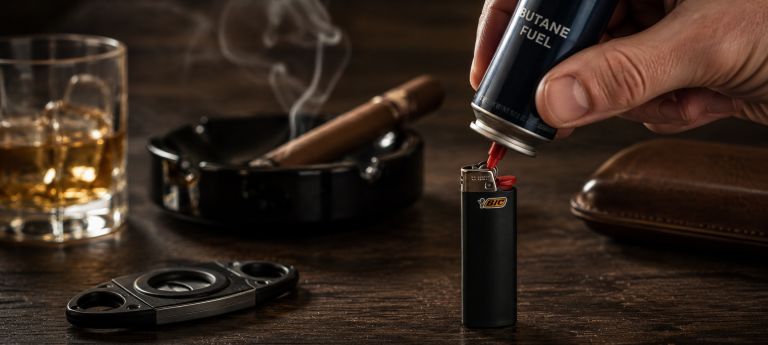
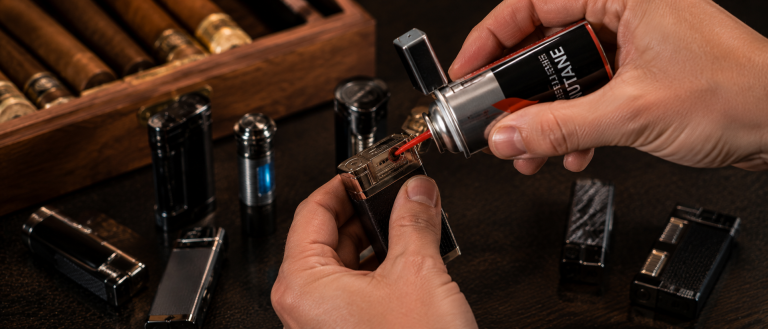
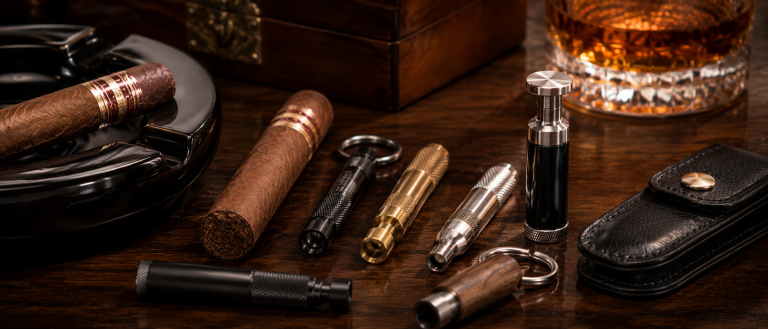
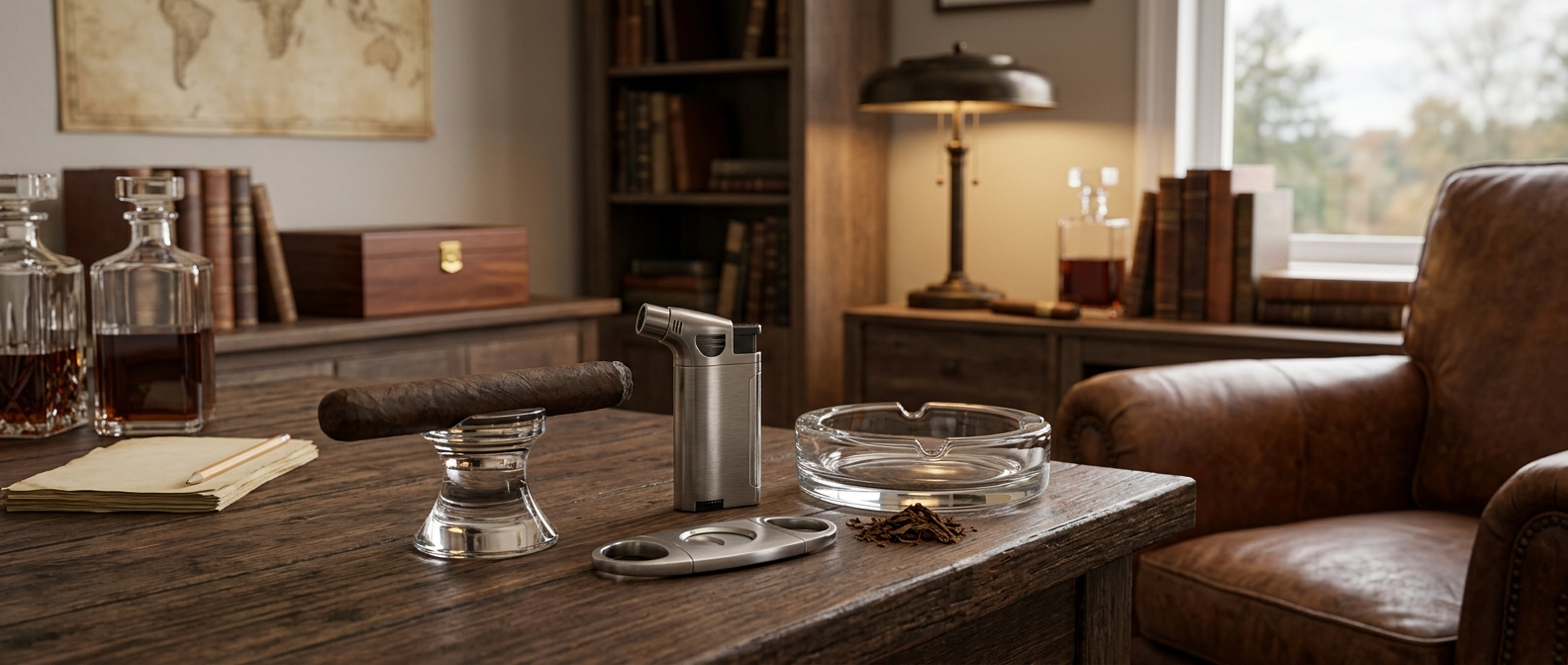
You don’t need much. But the right tools make a difference. A guillotine cutter is the best starting point for beginners. Clean cut, minimal fuss. A punch cutter works too if you want a tighter draw. Skip the regular fluid lighter. Zippos and gas station lighters leave a chemical taste on the tobacco that ruins the first few puffs. Use a butane torch lighter or cedar matches instead. Butane burns clean and won’t interfere with the flavor. An ashtray is non-negotiable. And pour yourself something worth drinking before you light up. Bourbon, coffee, or even sparkling water all work. The drink is part of the experience.
Step 1: Choose the Right Cigar
This is the most important decision you’ll make before you even light anything. Start mild. Full-bodied Nicaraguan puros are excellent cigars, but they are not your first cigar. A Connecticut wrapper is the standard beginner recommendation for good reason. It’s creamy, smooth, and forgiving on a palate that hasn’t been calibrated to cigar tobacco yet. For size, go with a robusto. Around 5 inches, 50 ring gauge. It burns for 45 minutes to an hour, which gives you enough time to actually settle into the experience without committing to a two-hour smoke before you know whether you even enjoy it. Good beginner picks: Macanudo Café, Ashton Classic, Romeo y Julieta 1875, Arturo Fuente Chateau. For a full ranked list with tasting notes and pricing, check our guide to the best cigars for beginners. If the cigar you’re considering came from a gas station display case, put it back.
Step 2: Inspect the Cigar
Before cutting anything, run your fingers along the cigar. It should feel firm throughout with a slight give, similar to a ripe avocado. No soft spots, no cracks, no visible tears in the wrapper. A damaged wrapper means an uneven burn and a frustrating smoke from start to finish. If you’re buying from a shop with a properly maintained humidor, this is rarely an issue. According to Cigar Aficionado, proper humidor storage at 65 to 70 percent humidity is the single biggest factor in cigar quality at the point of lighting. Remove any cellophane wrapping before you light up. Leave the band on for now.
Step 3: Cut the Cigar
The cap is the closed end that goes in your mouth. You need to open it before smoking. The goal is to remove just enough to open the draw without cutting so far that the wrapper starts unraveling. About 1/8th of an inch is the standard. Less than you think. Find the cap line, the faint seam circling the closed end of the cigar. Cut just above it. One clean, quick motion with the guillotine cutter. No hesitation, no sawing back and forth. After cutting, test the draw by pulling air through the unlit cigar. It should feel like sipping through a straw with a small amount of resistance. If it’s completely blocked, trim a tiny bit more. If it draws perfectly, you’re ready.
Step 4: Toast the Foot
The foot is the open end you light. Most beginners skip this step and go straight to lighting. That’s a mistake. Hold the cigar at a 45-degree angle. Hold your butane lighter about half an inch below the foot without letting the flame touch the tobacco directly. Rotate the cigar slowly while the heat warms the outer edge of the foot. After about 30 seconds you’ll see the edges start to glow slightly. That’s what you want. Toasting sets up an even burn from the beginning. Skip it and you’ll spend the next hour chasing lopsided burns and relighting one side while the other races ahead.
Step 5: Light the Cigar
Bring the flame a little closer and begin taking slow, gentle puffs while continuing to rotate the cigar. You want heat, not direct contact with the flame if you can avoid it. After a few puffs, hold the cigar up and look at the foot. The entire end should be glowing evenly. If one side is darker, apply heat to the cooler side until it catches up. Blow gently on the foot to confirm. You’ll see an even orange glow across the whole end. You’re lit. Now the actual experience begins.
Step 6: How to Smoke It
Here is the one rule that matters above everything else: do not inhale. Cigar smoke stays in your mouth. You draw it in slowly, hold it on your palate for a moment to taste the flavors, then exhale. Your lungs are not involved in this process at all. Cigar tobacco is significantly stronger than cigarette tobacco. According to the FDA, a single cigar can contain as much nicotine as an entire pack of cigarettes. Inhaling will make you cough, feel nauseous, and wonder what you were thinking. Draw the smoke in like you’re sipping through a straw, hold it briefly, exhale. Puff every 30 to 60 seconds. This feels slower than natural at first. It’s supposed to. Smoking too fast overheats the cigar, turns the flavors harsh and bitter, and burns unevenly. Find a rhythm and let the cigar breathe between puffs.
Step 7: Handle the Ash
A quality cigar builds a solid ash. Don’t flick it off every 30 seconds the way you would a cigarette. Let it grow to about an inch before tapping it off gently on the edge of the ashtray. A long, solid gray ash is a sign of good construction and even burning. Don’t be in a rush to knock it off. When you do tap, use a light touch. One gentle tap on the ashtray edge is all it takes.
Step 8: When to Remove the Band
Whether to remove the band is personal preference. In some circles, smoking with the band on is considered advertising the brand, which is seen as poor form. In others, nobody cares. If you want to remove it, wait 10 to 15 minutes. The heat from the cigar loosens the adhesive, and the band slides off without tearing the wrapper. Try removing it cold and you risk damaging the cigar. If it doesn’t slide off cleanly after warming up, leave it. It’s not worth wrecking the wrapper over a paper label.
Step 9: If the Cigar Goes Out
It happens to everyone, especially when you’re new and still finding your puffing rhythm. Tap off any loose ash from the foot. Then blow gently through the cigar from the cap end to purge any stale smoke sitting in the tobacco. Relight the foot the same way you did originally, toasting first, then bringing the flame in while puffing slowly. A cigar relights fine multiple times as long as it hasn’t been sitting cold for too long.
Step 10: When to Stop
Smoke until about two finger-widths remain. The final portion burns hotter, concentrates the nicotine, and the flavors turn bitter and harsh. That last inch isn’t giving you anything worth having. When you’re finished, don’t stub it out like a cigarette. That releases a cloud of unpleasant smell that everyone nearby will notice. Rest it in the ashtray and let it extinguish on its own. It goes out within a few minutes.
Cigar Etiquette Worth Knowing
If you’re smoking in a lounge or with other people, a few unwritten rules apply. Don’t comment on how someone else is smoking their cigar unless they ask. Don’t stub your cigar out in the ashtray. Don’t light up without checking whether it’s appropriate for the setting. And if someone offers you a cigar from their personal collection, accept it graciously regardless of whether it’s your preferred brand.
A Few Things Worth Knowing
The nicotine hit is real. If you’re new to cigars, expect to feel lightheaded or slightly nauseous somewhere around the 20 to 30 minute mark. This is called being “green” and it’s completely normal for first-timers. Slow down, drink some water, eat something. It passes. Try retrohaling once you’re comfortable. Exhale a small amount of smoke gently through your nose. It opens up the aroma of the cigar in a way that mouth exhaling doesn’t. Don’t force it. It takes some adjustment. The setting matters. A cigar at a proper lounge or on a golf course hits differently than one smoked standing in a parking lot. For reputable cigars and accessories, Famous Smoke Shop and Cigars International are both reliable options worth bookmarking.
How to Store Your Cigars
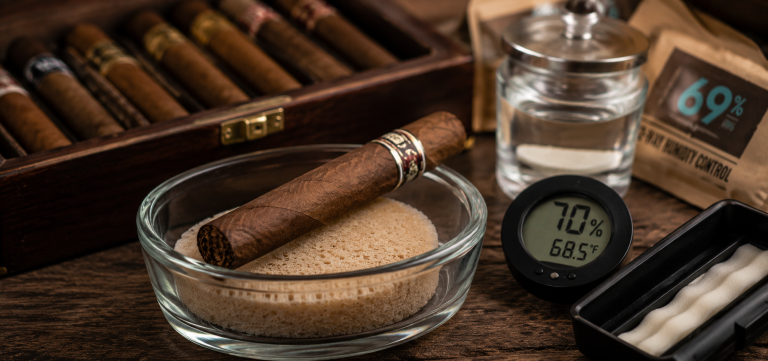
Once you’ve smoked your first cigar and decided you want more, storage becomes the next conversation. Cigars need to be kept at 65 to 70 percent relative humidity and around 65 to 70 degrees Fahrenheit. Without proper storage, they dry out, crack, and smoke terribly.
Our Verdict
If you follow these steps, your first cigar will be an enjoyable experience rather than a cautionary tale. Start with a mild Connecticut robusto from a reputable shop, take it slow, don’t inhale, and pour something worth drinking alongside it. The rest comes with time and experience. This is a hobby that rewards patience, and patience is exactly what smoking a cigar teaches you from the very first puff.
Frequently Asked Questions
Do you inhale cigar smoke?
No. Cigar smoke is meant to stay in your mouth, where you taste the flavor before exhaling. Inhaling cigar smoke is harsh on the lungs and will cause significant discomfort, especially for beginners. The FDA confirms that cigar smoke contains the same toxic and carcinogenic compounds as cigarette smoke, which is another strong reason not to inhale.
How long does it take to smoke a cigar?
A robusto typically takes 45 minutes to an hour. Larger formats like a Churchill or Double Corona can run 90 minutes to two hours. It depends on the size and how fast you puff.
What is the correct way to hold a cigar?
Hold it between your thumb and index finger, not between your index and middle finger the way you would a cigarette. There’s no strict rule beyond that. Whatever feels comfortable and keeps your grip relaxed.
How do you know when a cigar has gone bad?
A bad cigar feels dry and crumbly, or overly soft and spongy. The wrapper may show cracks or discoloration. A properly stored cigar in a humidor at 65 to 70 percent humidity will stay fresh for years.
Can you relight a cigar the next day?
Technically yes, but we don’t recommend it. A cigar that’s been sitting cold for more than a few hours starts to taste stale and bitter when relit. If it’s been less than an hour, relighting is perfectly fine.
What should I drink with my first cigar?
Something that won’t overpower the cigar. Black coffee, a mild bourbon, aged rum, or sparkling water all work well for beginners. Our whiskey and cigar pairing guide has specific recommendations for matching drink profiles to cigar strength.
Is it rude to smoke a cigar indoors?
In most public settings, yes. Even dedicated cigar lounges have designated smoking areas. Always ask before lighting up indoors and be aware of local ordinances, which vary significantly by state and city. Our vape and tobacco regulations by state guide covers smoking laws across the US.
How do you put out a cigar properly?
Rest it in the ashtray and let it extinguish on its own. Never stub it out like a cigarette. Stubbing releases an unpleasant smell and is considered poor etiquette in any cigar setting.
Where is the best place to buy cigars online?
We recommend buying from established retailers with proper humidor storage and shipping practices. Famous Smoke Shop and Cigars International are both reputable options with wide selections at competitive prices.
Ready to pick your first stick? Check out our guide to the best cigars for beginners – we rank 10 approachable cigars by strength, flavor, and value.