The Best Fluffy Pancakes recipe you will fall in love with. Full of tips and tricks to help you make the best pancakes.

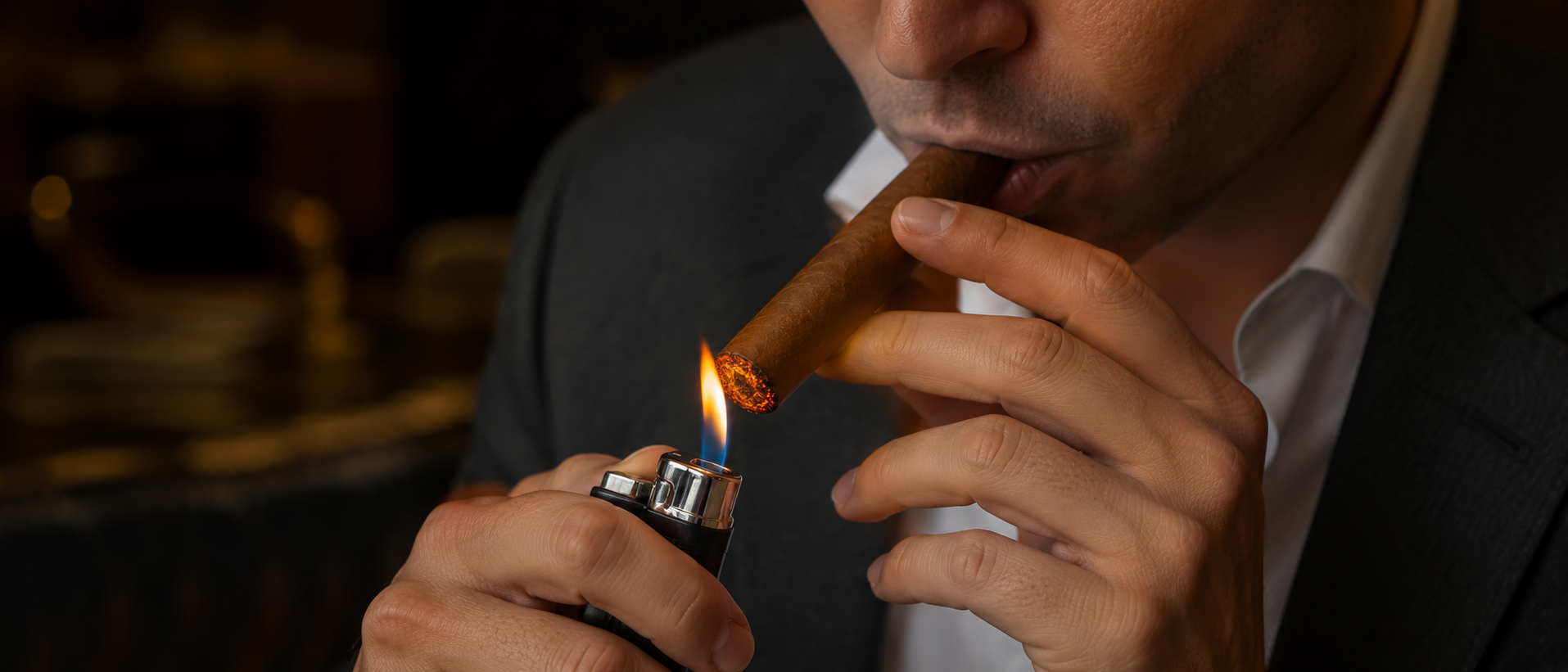
Most people think lighting a cigar is like lighting a cigarette. Hold a flame to one end, take a drag, done. That’s how you end up with a cigar that tastes like ash, burns crooked, and requires relighting every five minutes. Lighting a cigar is not like lighting the tip of a cigarette or the wick of a candle – it takes longer. Patience is key, especially when you are starting out. A properly lit cigar is important because it means all the components – wrapper, binder, and filler – will be evenly lit, thus imparting the flavors of the blend as the maker intended them to be experienced. Get the light right and the rest of the smoke takes care of itself. Get it wrong and you’re chasing an uneven burn for the next hour. Here’s exactly how to do it correctly. Smoking HubSmoking Hub
Before You Light Anything: Cut the Cigar First
You cannot light a cigar without cutting it first. The cap – the closed end that goes in your mouth – needs to be opened before air can pass through. The flat end is the foot. You hold a flame near this to light the cigar. The other end, the head, is covered by a small piece of tobacco – the cap. Before you can smoke the cigar you must make a small cut in its cap. A poorly cut cigar creates a tight or loose draw that makes proper lighting nearly impossible. If the draw is too restricted, you’ll overheat the tobacco trying to pull smoke through it. If it’s too open, the burn runs hot and fast from the start. Once the cigar is properly cut and the draw is tested, you’re ready to light. Our full guide on how to smoke a cigar covers the cutting process in detail if you need a refresher before moving forward. Cigars International
Choosing the Right Lighter
This matters more than most people realize. The flame you use directly affects the flavor of the first third of the cigar.
Butane Torch Lighter – Best Option
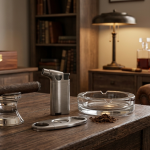
Butane torch lighters deliver the cleanest, most consistent flame. They burn hot, ignite quickly, and won’t contaminate the tobacco with chemical flavors. A single-jet torch works for most cigars. A double or triple-jet torch handles larger ring gauges and outdoor conditions more easily. Either way, butane is the standard recommendation from every serious smoker and retailer in the industry. Butane torch lighters are powerful, odorless, and wind-resistant. That last quality matters more than you’d think. A standard flame lighter in any wind at all is useless. A torch lighter works on a golf course, at a tailgate, on a boat. Buy one and keep it filled. Lucero CigarsHolt's Clubhouse
Cedar Spills – Best Traditional Option
Cedar spills are thin strips of Spanish cedar that offer romance and tradition. Cigar lounges often provide them. They burn slowly and add a subtle complementary aroma. Cedar and tobacco are natural companions. Spanish cedar is the same wood used in humidors and cigar box interiors because the aroma complements tobacco rather than fighting it. Lighting with a cedar spill is the most traditional method and produces a genuinely pleasant first few puffs. The downside is practicality. Cedar spills require patience and a calm environment. They’re ideal for lounges and home smoking setups, not for outdoor situations where wind is a factor. Lucero Cigars
Wooden Matches – Acceptable Alternative
Sulfur-free matches made of cedar are best as they won’t adversely affect the tobacco’s flavor. Cigar matches are ideal as they are generally longer, giving you more time to toast and light the cigar properly. If using wooden matches, make sure to let the sulfur burn off before bringing the flame to your cigar. The sulfur on the match head leaves a chemical taste if you don’t let it burn off first. Light the match, wait two to three seconds for the sulfur to clear, then use the clean flame for toasting. Regular book matches are too short and burn too quickly for proper cigar lighting. Long cigar matches or wooden kitchen matches work better. Cigars InternationalCigarBoxPro
What to Avoid Completely
Regular fluid-based lighters like Zippos impart a petroleum taste that ruins premium tobacco. Same goes for candles, which add wax residue and scent contamination. Forget regular Bic lighters or candles. These can leave behind unwanted chemicals and mess with the flavor of your cigar. This isn’t snobbery. The petroleum in fluid lighters and the scent compounds in candles genuinely transfer to the tobacco and affect the flavor of the first portion of your smoke. A $10 butane torch lighter protects the $20 cigar in your hand. The math is obvious. Lucero CigarsCigarBoxPro
Which End Do You Light?
Light the open end of a cigar – called the foot – never the closed end – the head. The foot is the end that appears rough or exposed, while the head is the rounded, capped end that you cut before smoking. This sounds obvious once you know it. For a first-time smoker holding a cigar, it’s not always clear. The foot is the flat, open end where you can see the filler tobacco inside. That’s the end that gets lit. The head is the rounded end you cut and put in your mouth. Kingzendo
Step-by-Step: How to Light a Cigar
Step 1: Toast the Foot
This is the step most beginners skip. It’s the most important step in the entire process. Hold your cigar just above the flame, not in it, and rotate slowly. Toast until the foot is blackened but not yet fully burning, ensuring the edges start to glow evenly. Hold the cigar at a 45-degree angle. Keep the flame about half an inch below the foot without direct contact. Rotate the cigar slowly and steadily while the heat works around the entire circumference of the foot. Light your cigar the same way you would toast a marshmallow over a campfire – keep the cigar above and near the flame but don’t let them touch. Burning a cigar directly in a flame makes it too hot. This takes 20 to 30 seconds. You’ll see the edges of the foot begin to char and glow slightly. The center of the foot will warm up without fully igniting. That’s exactly what you want. The goal is to create an even preheat foundation before ignition. Rotate the cigar slowly so the outer edge of the foot darkens and warms evenly. The center should be warmed, not fully glowing yet. Holt's Clubhouse + 2
Step 2: Begin Lighting
Once the foot is evenly toasted, bring the flame slightly closer and begin taking slow, gentle puffs while continuing to rotate the cigar. With the flame still close to the cigar, put the head in your mouth and take short puffs. Doing so draws the flame into the cigar. Place the cigar at a 30-degree angle towards the lighter and continue to rotate slowly. The puffs should be slow and gentle. You’re drawing heat into the tobacco, not trying to get maximum smoke output. Aggressive puffing during the lighting process overheats the tobacco and produces harsh, bitter flavors right from the start. Cigars InternationalSmoking Hub
Step 3: Check the Burn
After four or five puffs, hold the cigar up and look at the foot. The entire end should be glowing evenly with an orange ring around the circumference. Check for dark or unlit spots. If needed, hold the flame just outside the wrapper edge and lightly toast the uneven area. If one side is darker than the other, apply heat specifically to the cooler side. Don’t put the entire foot back in the flame – just target the section that needs more heat and rotate toward it. Kingzendo
Step 4: Blow on the Foot
Once you think it’s evenly lit, blow gently on the foot. You’ll see an even orange glow across the entire surface if it’s properly lit. Any dark spots that don’t glow when you blow on them need more heat before you start smoking. This takes ten seconds and prevents thirty minutes of chasing an uneven burn. Do it every time.
Step 5: Take the First Proper Puff
Once it is evenly lit, take the first puff. The first few puffs should still be gentle while the tobacco fully settles into a consistent burn. Don’t rush into aggressive puffing immediately after lighting. Give the cigar a minute to establish itself, then find your natural rhythm of one puff every 30 to 60 seconds. CigarBoxPro
Common Lighting Mistakes
Touching the Flame Directly to the Tobacco
Hold the cigar about half an inch above the flame. Never touch the flame directly to the tobacco. Direct contact with a torch flame burns the tobacco too aggressively and produces a harsh, charred flavor that takes several puffs to clear. Keep the flame close but never touching. Kingzendo
Skipping the Toast
Going straight to lighting without toasting the foot produces an uneven burn almost every time. The wrapper, binder, and filler all need to be brought up to temperature evenly before you start drawing smoke through the cigar. Skip this and one side races ahead while the other drags behind for the next forty-five minutes.
Puffing Too Hard During Lighting
Hard, aggressive puffs during lighting overheat the cigar. The tobacco at the foot burns too hot, which produces bitter, harsh flavors and often causes the cigar to run – one side burning faster than the other – right from the start.
Using the Wrong Lighter
Avoid rushing: take your time when lighting. It’s worth the effort. Don’t overheat the tobacco: a harsh taste usually means you torched the cigar too much. A fluid lighter is the single most common mistake beginners make. The petroleum taste from a Zippo or Bic is immediately detectable on a quality cigar. Buy a basic butane torch lighter before you buy your first cigar. It costs less than a single premium stick. CigarBoxPro
How to Relight a Cigar
Cigars go out. It happens to experienced smokers regularly. Here’s how to bring one back properly. Tap off any loose ash from the foot first. Then blow gently through the cigar from the head end to purge any stale smoke sitting in the tobacco. Stale smoke produces a bitter, unpleasant taste if you light directly on top of it without clearing it first. Toast the foot again exactly as you would for a fresh light. Give it the same 20 to 30 seconds of rotating heat before bringing the flame in and puffing. A properly lit cigar is just as important as a properly cooked steak – you need it done right to get the flavor intended to be experienced. A cigar that’s been out for less than an hour relights cleanly with this method. One that’s been sitting cold for several hours will taste stale and bitter regardless of how carefully you relight it. At that point, finishing the cigar is optional. CigarBoxPro
Lighting a Maduro Cigar
Maduro wrappers are thicker and oilier than standard natural wrappers. They need more time and heat during the toasting process. Spend an extra 10 to 15 seconds on the toast compared to what you’d give a lighter wrapper cigar. The thicker leaf takes longer to warm through evenly. Rush the lighting on a maduro and you’ll be dealing with burn issues throughout the smoke. For a full breakdown of what makes maduro wrappers different and which ones are worth smoking, our maduro cigar guide covers everything in detail.
Lighting Outdoors and in Wind
A standard soft-flame butane lighter is useless in any meaningful wind. A torch lighter is the only practical outdoor option. Even with a torch, position your body to block the wind before lighting. Cup your free hand around the foot of the cigar during toasting to shield it from the wind until the tobacco is fully lit. Once the cigar is properly burning, it handles light wind reasonably well on its own. On a golf course specifically, get the cigar fully lit before stepping onto the course. Relighting on the fairway in any wind is a frustrating exercise. Our best cigars for golf guide covers which cigars hold their burn best in outdoor conditions.
The Best Lighters for Cigars Worth Buying
If you’re ready to invest in a proper cigar lighter, here are the options worth considering at different price points.
Xikar HP4 Quad Flame Torch – around $60. Four-jet flame handles large ring gauge cigars and outdoor conditions easily. Xikar’s lifetime warranty makes it a genuine long-term investment.
Colibri Julius Single Jet – around $40. Reliable single-jet torch that works consistently and refills easily. Good everyday option for most smokers.
Vertigo by Lotus Cyclone – around $25. Triple-jet at a budget price. Solid construction and consistent flame at a price that makes sense for newer smokers.
Basic Single Jet Butane Torch – under $15. No-name single-jet butane torches from most cigar shops work fine for everyday use. Not elegant, but functional. All of these are available at Famous Smoke Shop and Cigars International alongside their cigar selections.
Our Verdict
The entire lighting process takes 60 seconds when done properly. Toast the foot evenly, bring the flame in with slow puffs, check the burn before you start smoking, and blow on the foot to confirm an even glow across the entire surface. Those 60 seconds determine the next hour of smoking. Use a butane torch lighter. Skip the Zippo. Don’t rush the toast. Everything else follows from getting those basics right. If you’re still figuring out the fundamentals of cigar smoking beyond the lighting process, our complete guide on how to smoke a cigar covers every step from choosing your first stick to knowing when to put it down. Lucero Cigars
Frequently Asked Questions
What is the best way to light a cigar?
The best method is a butane torch lighter with a proper toasting technique. Hold the flame half an inch below the foot of the cigar without direct contact, rotate slowly for 20 to 30 seconds until the edges glow evenly, then bring the flame slightly closer and take slow, gentle puffs while rotating until the entire foot is lit. Blow on the foot to confirm an even orange glow before smoking.
Can you use a regular lighter to light a cigar?
You can, but you shouldn’t. Regular fluid lighters like Zippos and Bic lighters impart a petroleum taste to the tobacco that affects the flavor of the first portion of your smoke. A basic butane torch lighter costs under $15 and protects the investment you’ve made in a quality cigar. There’s no good reason to use a fluid lighter on a premium cigar.
How long does it take to light a cigar properly?
The toasting and lighting process takes 45 to 60 seconds when done correctly. Rushing it to 10 or 15 seconds produces an uneven burn that persists throughout the entire smoke. The extra 30 seconds of patience during lighting is the single best investment you can make in the quality of the smoking experience.
Which end of a cigar do you light?
Always light the foot – the flat, open end where you can see the filler tobacco. Never light the head, which is the rounded, capped end that you cut and place in your mouth. The foot is where the tobacco is exposed and where the burn begins.
Can you use matches to light a cigar?
Yes, with the right type of match. Long, sulfur-free wooden matches or cigar-specific matches work well. Always let the sulfur on the match head burn off for two to three seconds before bringing the flame to your cigar. Regular paper book matches are too short and burn too quickly for proper cigar lighting.
What is toasting a cigar?
Toasting is the process of warming the foot of the cigar with indirect heat before applying a direct flame. You hold the lighter flame half an inch below the foot and rotate the cigar slowly until the edges char evenly. Toasting sets up an even burn foundation that keeps the wrapper, binder, and filler burning at the same rate throughout the smoke.
Why does my cigar keep going out?
Usually one of three causes: the cigar wasn’t lit evenly during the initial lighting, you’re puffing too infrequently and the tobacco cools down between puffs, or the draw is too tight and not enough air is moving through the cigar to keep it burning. Relight using the proper method, increase your puff frequency slightly, and check whether the draw feels restricted.
Is it bad to relight a cigar?
No. Relighting a cigar that’s gone out is perfectly normal and doesn’t significantly affect the smoking experience if done properly. Always purge the stale smoke first by blowing gently through the head before relighting. A cigar that’s been out for less than an hour relights cleanly. One that’s been sitting cold for several hours will taste stale regardless of how carefully you relight it.
Why does my cigar taste harsh after lighting?
Usually because the tobacco was overheated during lighting – either the flame touched the tobacco directly, or the puffs during lighting were too hard and fast. Another common cause is using a fluid lighter that left petroleum residue on the tobacco. Let the cigar cool for a minute and take very slow, gentle puffs. The harshness typically clears after the first quarter inch of tobacco burns through.
Can I light a cigar with a candle?
Technically yes, but it’s not recommended. Candles add wax residue and scent compounds to the tobacco that affect the flavor of the first portion of your smoke. In an emergency it works, but a butane torch lighter is always the better option.
Ready to put the perfect light to work on a great cigar? Our best cigars for beginners guide ranks 10 solid first sticks across every budget and strength level.