The Best Fluffy Pancakes recipe you will fall in love with. Full of tips and tricks to help you make the best pancakes.

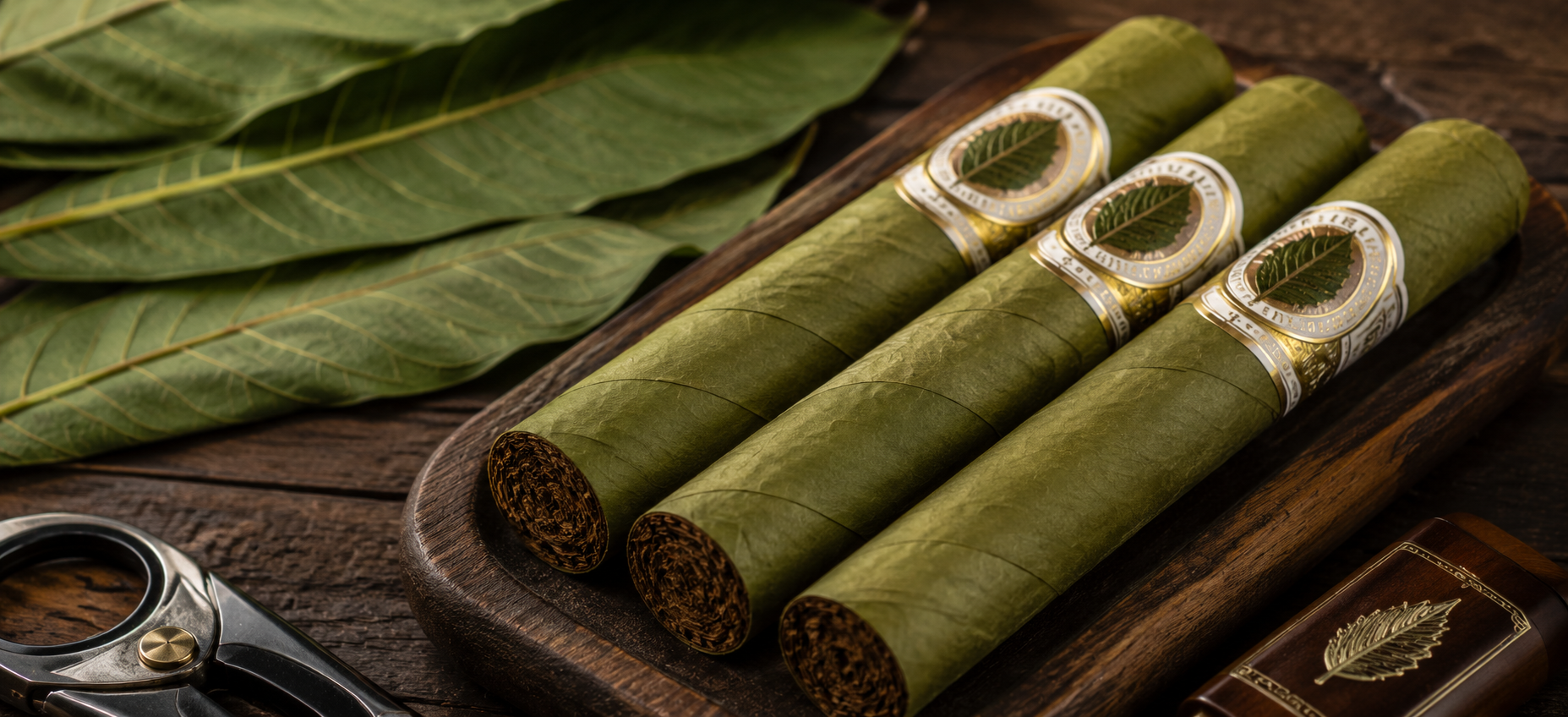
The first time most people see a candela cigar, they assume something went wrong. The wrapper is green. Not slightly off-color green. Bright, vivid, frog-green – the color of a pool table or an empty Sprite bottle. It doesn’t look like a cigar. It looks like a prop from a movie set.
It’s not dyed. It’s not a novelty gimmick. It’s the result of a specific curing process that locks in the natural chlorophyll of the tobacco leaf, and it produces a smoking experience completely unlike anything else in the humidor.
Here’s everything worth knowing.
What Is a Candela Cigar?
A candela is not a specific brand or a tobacco varietal. It’s a wrapper type defined entirely by how the leaf is cured after harvest.
Candela is the most popular name, but these cigars are also known as double claro cigars, and in the old days they were called American Market Selection. All three names refer to the same thing: a cigar wrapped in a green leaf that has been flash-cured at high temperatures to preserve its chlorophyll content.
Any tobacco seed – whether grown in the Dominican Republic, Ecuador, or Nicaragua – can theoretically become a candela wrapper. The defining characteristic is the curing process, not the origin or variety of the leaf.
How the Green Wrapper Is Made
This is where candela separates itself from every other wrapper type in the cigar world.
Every tobacco leaf starts green in the fields. The brown color we associate with every standard cigar comes from the curing process after harvest. Traditional curing hangs the tobacco in a curing barn for 30 to 45 days or more, during which the leaf slowly dries and transforms from green to brown as the chlorophyll breaks down.
When a farmer is making candela, the process is completely different. The barn is sealed and the heat is cranked up far hotter than in a normal curing environment, with temperatures rising from 90 degrees to 100 and then as high as 165 degrees Fahrenheit. Farmers harvest the leaves slightly underripe, then raise barn temperatures to about 165 degrees for 24 to 72 hours.
This flash-curing method completely halts the breakdown of chlorophyll, locking the vibrant green color permanently into the leaf. Because the process skips the lengthy traditional fermentation stage where starches turn into dark sugars, the resulting wrapper is incredibly thin, delicate, and possesses a completely different chemical makeup than any brown wrapper.
The extreme heat renders the leaf as crispy as a potato chip. Careful rehydration makes it supple again and ready for rolling. Instead of a month or more, candela wrapper is ready in about three days.
There’s a practical incentive for farmers too. Curing candela wrapper is a far quicker process than traditional tobacco. Due to the fast heat-curing process, it goes from barn to customer quickly, which means faster payment for the grower.
The Rise and Fall of the Green Cigar
The candela story is one of the most dramatic reversals in the history of American consumer preferences.
The Cuban Origin
The candela wrapper originated in Cuba sometime in the 1940s, whether by accident or ingenuity – accounts differ on which. The discovery that a short curing stage at very high temperatures would dry freshly harvested tobacco while maintaining its green color created something new in the cigar market: a mild, approachable alternative to the fuller-bodied Cuban smokes that dominated production at the time.
American Market Selection
The United States market responded with extraordinary enthusiasm. By the 1950s, candela wrappers had become so ubiquitous in the US market that major importers officially classified green wrappers as “American Market Selection,” distinguishing them from “English Market Selection” cigars with natural brown wrappers.
At the height of the style’s popularity in the mid-twentieth century, it’s estimated that candela-wrapped cigars made up nearly 90 percent of cigars sold domestically. The smoke-laden air above Ybor City in Tampa, where cigar production was concentrated, carried aromas of cedar and green tea, alfalfa and fresh-cut grass, pineapple, mint, nutmeg, and orange blossom – all characteristics of the candela wrapper’s distinctive profile.
Among the confirmed enthusiasts was President John F. Kennedy. It’s hard to tell from black and white photos alone, but there’s no doubt the 35th president puffed on green cigars. Kennedy’s belongings put up at auction have included candela cigars – double claro Suerdieck cigars and a couple of green Partagas cigarillos from Havana. Kennedy famously stockpiled around 1,200 Petit Upmann cigars – double claros, which are candelas – just before signing the Cuban embargo declaration in 1962.
The Cuban Embargo Changed Everything
In one fell swoop, the Cuban Embargo of 1962 was the death blow for Cuban cigars in the States, and the candela wrapper was the biggest casualty.
The problem wasn’t just supply. The problem was that the candela wrappers produced from Dominican tobacco tasted wrong. They were sour. The old Cuban candela was sweet, tasting a bit like pineapple. Those farmers, blenders, and rollers who had fled Cuba and begun building cigar operations in Honduras and the Dominican Republic were unable to replicate the almost-tropical flavor profile of the original Cuban candelas.
Between the lack of supply and the taste becoming less appealing, candelas would quickly lose their illustrious place as America’s favorite wrapper. Connecticut Shade supplanted candelas starting in the early 1980s and the green wrapper fell to the margins of the market. Today, only around three percent of cigar sales are candela, smoked mainly by veteran older cigar smokers who still love them.
The Partial Revival
While they remain rare, there are more handmade candelas available today than there were 10 or 20 years ago, when nearly all candelas were machine-made. Premium brands including Illusione, Arturo Fuente, Rocky Patel, and Alec Bradley have all released candela versions of popular lines, bringing the green wrapper to a new generation of smokers looking for something genuinely different from the standard humidor selection.
What Does a Candela Cigar Taste Like?
The flavor profile of a candela wrapper is unlike any other wrapper in the market. Because the flash-curing process preserves the chlorophyll and skips the extended fermentation that converts starches to dark sugars, the flavor sits in completely different territory from Connecticut, Maduro, or any brown wrapper.
The primary candela notes are famously described as grassy or herbaceous. When you light one, you’ll immediately notice aromas of sweet green tea, fresh hay, mint, and cedar. The sweetness is light and floral – reminiscent of honeysuckle or sweet cream – rather than the heavy chocolate or molasses found in dark wrappers.
Expect a mild body with notes of sweet hay, green tea, light cream, and faint white pepper. The thin wrapper burns evenly, producing a pale-gray ash and a clean, grassy room note.
The older Cuban candelas had a distinctive sweetness that some smokers describe as pineapple-like – a flavor profile that proved impossible to fully replicate in Dominican or Ecuadorian leaf. Modern candelas come closer than the early post-embargo attempts but the original Cuban character remains a reference point rather than a currently available experience.
Regarding candela strength, these cigars are almost universally mild to medium in body. The wrapper itself imparts very little nicotine. Instead it acts as a delicate, aromatic envelope that tempers the filler tobaccos, resulting in a remarkably smooth, crisp, and refreshing smoking experience.
The Candela Wrapper vs Other Wrappers
Understanding where candela sits relative to other common wrappers helps frame the decision of when to reach for one.
Compared with Connecticut Shade, a candela is grassier and brighter in character but similarly mild in strength. The Connecticut delivers more creaminess and subtle sweetness from its extended curing. The candela delivers more herbal, vegetal brightness that some smokers find refreshing and others find too unusual to enjoy.
Compared with Habano, the candela is far milder, far brighter, and completely different in character. There’s no dark spice, no earthiness, no complexity from extended fermentation. The candela and a Nicaraguan Habano puro are essentially different categories of experience.
Compared with Maduro, the contrast is as sharp as it gets in the cigar world. A maduro wrapper goes through the most extended fermentation of any wrapper type, developing natural sweetness, dark chocolate notes, and rich earthiness from the conversion of starches to sugars. A candela skips fermentation almost entirely. The two wrappers represent opposite ends of the processing spectrum and opposite ends of the flavor spectrum.
Candela Wrapper Physical Characteristics
The candela wrapper has distinct physical properties that affect how it smokes beyond just the flavor contribution.
The leaf is thinner and more delicate than most brown wrappers because the rapid curing process doesn’t give the leaf the same structural development that extended fermentation provides. Candela wrappers tend to burn slower than traditional wrappers, providing a longer smoking experience. Green candelas are also less likely to crack than many other wrapper types.
The ash from a candela tends to run pale gray and holds reasonably well. The room note – the aroma the cigar produces in the surrounding space – is distinctly different from brown wrapper cigars. Lighter, greener, more botanical. Some non-smokers actually find the candela room note less objectionable than the room note from a full-bodied Nicaraguan puro.
The Best Candela Cigars Worth Smoking
Arturo Fuente 8-5-8 Claro – Best Entry Point
Strength: Mild
Wrapper: Candela (Claro)
Size: 6 x 47
Price: $6-8
This is the most accessible and widely available candela currently on the market. The Arturo Fuente name behind it provides consistent construction quality that many specialty candela releases can’t match. The green wrapper surrounds Dominican filler that delivers flavors of grass and green tea with a sweetness that hints at butter. Mellow and smooth with soft cedar and green tea tones. This cigar has been rated well by Cigar Aficionado.
Best for: First-time candela smokers, anyone who wants to understand what the wrapper category tastes like without significant investment.
Illusione 88 Candela – Best Premium Candela
Strength: Mild to Medium
Wrapper: Ecuadorian Candela
Size: Corona Gorda
Price: $10-14
Dion Giolito’s Illusione brand consistently delivers some of the most interesting and well-constructed specialty releases in the market, and the 88 Candela is the best premium candela currently available. Balanced and flavorful – sweet hay, toasted bread, and just enough pepper to keep it interesting throughout the smoke.
The Ecuadorian candela wrapper is one of the better modern candela sources and Illusione uses it to produce a cigar that has real complexity rather than just the wrapper novelty. A more full-bodied candela with grassy, nutty, and creamy notes that rewards slow smoking.
Best for: Experienced smokers exploring the candela category, anyone who wants a candela that holds its own against premium brown wrapper options.
Rocky Patel The Edge Candela – Best Brand Extension
Strength: Mild to Medium
Wrapper: Candela
Size: Multiple vitolas
Price: $8-12
Rocky Patel added a candela option to their popular Edge line and it works well. The Edge Candela offers a distinct but sweet profile with tasting notes of green tea, hay, and a lovely buttery finish. The Rocky Patel construction quality applies here and the result is a candela that burns evenly and draws cleanly.
For smokers already familiar with The Edge line in its natural wrapper version, the candela option provides an interesting comparison of how dramatically the wrapper changes the smoking experience while keeping the filler blend consistent.
Best for: Rocky Patel fans who want to explore the candela category, smokers interested in comparing wrapper impact on the same filler blend.
Alec Bradley Black Market Filthy Hooligan Shamrock – Best Limited Release
Strength: Mild to Medium
Wrapper: Candela
Size: Gordo (6 x 60)
Price: $12-15
The most in-demand candela release in the current market. The Filthy Hooligan Shamrock is a seasonal release – typically available around St. Patrick’s Day – with limited availability that drives significant demand among cigar enthusiasts. A cigar that is known to be in high demand and short supply, the Shamrock is the one to beat when it comes to candela cigars.
Balanced and well-constructed with the Black Market’s characteristic Nicaraguan filler delivering more body underneath the bright candela wrapper than most other options in the category.
When you find it in stock, buy a box. It sells out quickly every year without exception.
Best for: Collectors, smokers who have already tried other candelas and want the most discussed current release in the category.
2012 by Oscar Barber Pole – Best Visual Statement
Strength: Medium
Wrapper: Candela and Maduro combined (barber pole)
Size: Multiple vitolas
Price: $10-14
Technically not a pure candela, but worth including because it represents the most visually striking use of the candela wrapper currently available. The barber pole design features a candela and maduro wrapper combined in a spiral pattern around the cigar. The result delivers smooth tasting notes of caramel, coffee, and even red pepper thanks to the unique blend of binder and filler beneath its eye-catching wrapper.
The contrast between the green candela spiral and the near-black maduro spiral is one of the most striking visual presentations in the premium cigar market. The flavor benefits from both wrappers contributing simultaneously, producing something that’s neither a true candela experience nor a standard maduro – it’s something in between.
Best for: Visual statement occasions, smokers who want the candela experience with more complexity from the maduro contribution.
Who Should Smoke Candela Cigars
Morning and early afternoon smokers. The mild, refreshing character of a candela suits lighter smoking sessions far better than full-bodied evening smokes. The grassy brightness doesn’t sit as comfortably after dinner as it does with a morning coffee.
Smokers looking for something genuinely different. If you’ve worked through the standard Connecticut and Maduro categories and want to understand what the cigar world looked like before 1980, a candela provides direct access to that history.
New smokers who want an approachable entry point with unusual character. The mild strength and distinctive flavor profile make candelas accessible to beginners while offering something more interesting than a standard Connecticut wrapper.
Anyone curious about cigar history. A candela is, in a genuine sense, a living artifact of what American cigar culture preferred for three decades. Smoking one is as close as you can get to the experience that dominated the US market through the 1960s and 1970s.
Who Should Not Smoke Candela Cigars
Smokers who want spice, pepper, and bold earthiness. Nothing about a candela delivers those characteristics. The wrapper physically cannot produce them given how the curing process works. If your palate runs toward full-bodied Nicaraguan puros and you’re expecting the candela to deliver something in that direction, you’ll be disappointed.
Smokers who find the grassy, herbal profile unappealing. This is genuinely not for everyone. Even Ernesto Perez-Carrillo, one of the most revered people in the cigar world, got sick from his first candela at 18 years old during a long drive with the windows up. He admitted this story publicly. The flavor can be jarring if you’re expecting standard cigar character and encounter candela instead.
Pairing Candela Cigars
The herbal brightness of a candela calls for completely different pairing partners than most cigars.
Light beers work naturally – lagers and pilsners complement the herbal notes without fighting the delicate flavor profile. A gin and tonic is one of the better pairings given the botanical character shared between the drink and the wrapper. Green tea amplifies the tea notes already present in the candela profile.
White wines – crisp and fruity options like Sauvignon Blanc or Pinot Grigio – can accentuate the grassy herbal notes pleasantly. Light roast coffee is a better coffee pairing than espresso, which tends to overwhelm the delicate candela character.
The pairings to avoid are the same ones you’d reach for with a full-bodied maduro. Cask-strength bourbon, aged dark rum, and strong espresso all overpower what a candela is doing. The subtlety of the wrapper disappears under that kind of weight.
Storing Candela Cigars
Store at 65 percent relative humidity. The same conditions that work for any premium cigar work for candelas.
The notable consideration is aging. While candelas retain freshness for years if stored properly, over-aging can fade the grassy sweetness that defines the wrapper’s character. Many smokers enjoy them within five years of purchase rather than laying them down indefinitely the way they might with a full-bodied Nicaraguan.
The green color will fade slightly over time even in proper storage. Some fading is natural and doesn’t indicate a problem with the cigar. Significant browning of the wrapper indicates that the chlorophyll has broken down and the characteristic candela flavor profile will be diminished.
Our Verdict
Candela cigars are not for everyone. They’re not trying to be. The grassy, herbal, mild profile is genuinely unlike anything else in the humidor and that distinction is the whole point.
The green wrapper is not a novelty. It’s a piece of cigar history – the wrapper that dominated the American market for three decades and disappeared almost overnight when the Cuban embargo cut off the supply that made the original Cuban candelas taste like nothing else.
Modern candelas come closest to that original experience through Ecuadorian leaf and in the hands of producers like Illusione who treat the category with the same care they’d apply to any other premium release.
Start with the Arturo Fuente 8-5-8 Claro at under $8. Smoke it with a light pilsner or a cup of green tea. Smoke it slowly in the morning rather than after dinner. If the grassy brightness appeals to you, work toward the Illusione 88 and the Alec Bradley Shamrock when you can find it.
If it doesn’t appeal to you, that’s fine too. The anchovies of the cigar world have their devoted fans. They always have.
Frequently Asked Questions
What is a candela cigar?
A candela cigar is a cigar wrapped in a green tobacco leaf that has been flash-cured at high temperatures to preserve its natural chlorophyll content. Candela is not a specific brand or tobacco variety – it’s a curing process that can be applied to tobacco grown in any country. The result is a distinctively green wrapper that delivers a mild, grassy, herbal flavor profile completely different from any brown wrapper cigar.
Why are candela cigars green?
The green color comes from preserved chlorophyll in the tobacco leaf. In standard cigar production, tobacco is hung in a curing barn for 30 to 45 days, during which the leaf slowly transforms from green to brown as the chlorophyll breaks down. Candela production accelerates this process dramatically – the barn is sealed and temperatures are raised to as high as 165 degrees Fahrenheit, which locks in the chlorophyll permanently within 24 to 72 hours, keeping the leaf green.
What do candela cigars taste like?
Candela cigars taste grassy, herbal, and mild. Primary flavor notes include sweet green tea, fresh hay, light cream, and faint white pepper. The old Cuban candelas had a distinctive pineapple-like sweetness that proved difficult to replicate in modern non-Cuban production. Current candelas from Ecuadorian and Dominican leaf come closer to the original than early post-embargo attempts. The flavor is mild to medium in strength with very little nicotine impact from the wrapper itself.
Are candela cigars strong?
No. Candela cigars are almost universally mild to medium in strength. The flash-curing process that creates the green wrapper skips the extended fermentation that develops nicotine concentration in dark wrappers. The wrapper itself contributes very little nicotine. Any strength in a candela cigar comes from the filler tobacco rather than the wrapper.
What happened to candela cigars?
Candela cigars dominated the US market through the 1950s and 1960s, making up an estimated 90 percent of domestic cigar sales at their peak. The Cuban embargo of 1962 cut off the supply of Cuban candela tobacco that produced the distinctive sweet profile American smokers preferred. Non-Cuban candelas from Dominican and Honduran leaf tasted sour rather than sweet and couldn’t replicate the original experience. Changing consumer preferences toward fuller-bodied profiles through the 1970s and 1980s completed the decline. Today candelas represent about three percent of the market.
Where can I buy candela cigars?
Candela cigars are available at major online retailers including Famous Smoke Shop and Cigars International, though selection is more limited than standard brown wrapper categories. Specialty releases like the Alec Bradley Filthy Hooligan Shamrock sell out quickly on an annual basis. Holt’s Cigar Company maintains one of the better ongoing selections of candela options across multiple brands.
Are candela cigars good for beginners?
Yes, with the right expectation. The mild strength and approachable nicotine level make candelas physically suitable for beginners. The unusual grassy, herbal flavor profile can be surprising if you’re expecting standard cigar character. Beginners interested in exploring candelas should start with the Arturo Fuente 8-5-8 Claro at under $8 before investing in more expensive options. For context on how candela strength compares to the broader cigar strength spectrum, our cigar strengths guide covers mild through full-bodied profiles in detail.
What is the difference between candela and claro?
Candela and claro are often used interchangeably, though technically claro refers to a lighter shade of brown wrapper rather than the vivid green of a true candela. Double claro is the most precise term for what most people call a candela – the fully green, flash-cured wrapper that retains its chlorophyll. In practice, most retailers and reviewers use candela, claro, and double claro to refer to the same green wrapper category.
How should I store candela cigars?
Store at 65 percent relative humidity at around 65 to 70 degrees Fahrenheit – the same conditions recommended for any premium cigar. Candelas retain freshness for years in proper storage but over-aging can fade the grassy sweetness that defines the wrapper’s character. Most smokers enjoy candelas within five years of purchase rather than aging them indefinitely. Slight fading of the green color over time is normal and doesn’t indicate a problem.
Exploring beyond the standard wrapper categories? Our maduro cigar guide covers the opposite end of the wrapper spectrum – the darkest, most fermented wrappers in production and what makes them taste completely different from everything else in the humidor.